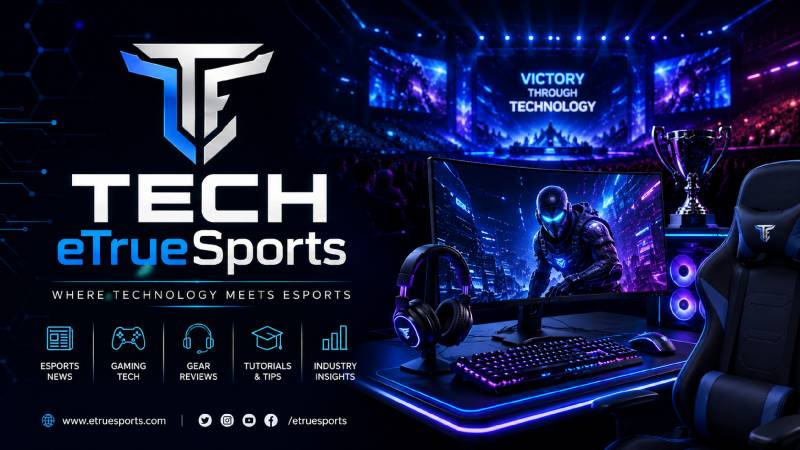
Tech eTrueSports:Technology has changed competitive gaming from a simple hobby into a fast-moving digital industry. Tech eTrueSports brings together gaming, esports, data, hardware, streaming, and modern digital tools to create better experiences for both players and fans. Today, technology helps competitors train, analyse matches, communicate with teammates, and perform under pressure.
What Is Tech eTrueSports?
Tech eTrueSports refers to the technology and digital systems that support competitive gaming. It covers everything from powerful gaming computers and responsive peripherals to low-latency networks, real-time statistics, streaming tools, and player analytics.
The main goal is simple: make competitive gaming faster, smoother, more reliable, and more engaging.
Modern esports platforms also use technology to provide tournament information, live updates, leaderboards, community features, and gaming content.
Why Technology Matters in Esports
In competitive gaming, even a small delay can affect the result of a match. A stable internet connection, responsive equipment, and consistent performance can give players a better environment in which to compete.
Faster Performance
Modern processors, graphics cards, high-refresh-rate monitors, and responsive gaming peripherals help deliver smoother gameplay. Players can react quickly without unnecessary interruptions.
Low-Latency Connectivity
Network speed is another important part of esports technology. Low latency helps commands reach the game server quickly, which is especially important in fast-paced competitive titles.
Real-Time Data
Data gives players and coaches a clearer view of performance. Match statistics can reveal patterns, weaknesses, successful strategies, and areas that need improvement. Modern esports infrastructure increasingly relies on real-time telemetry and analytics.
Key Technologies Behind Tech eTrueSports
Gaming Hardware
Competitive players often depend on specialised equipment. A powerful PC or console, accurate mouse, responsive keyboard or controller, quality headset, and high-refresh-rate display can all contribute to a better setup.
The right equipment does not automatically make someone a better player, but reliable hardware can remove technical distractions and allow players to focus on their skills.
Artificial Intelligence
AI is becoming increasingly useful across gaming and esports. It can help analyse gameplay, identify patterns, organise information, and support training tools.
As these systems improve, players may gain more personalised feedback about their performance and decision-making.
Cloud Technology
Cloud computing can make digital gaming services more accessible across different devices. It can also help platforms manage data, applications, and online services without depending entirely on a user’s local hardware.
Streaming Technology
Streaming has transformed esports from something people play into something millions can watch. High-quality broadcasts, live statistics, player information, replays, and interactive features make tournaments easier for audiences to follow.
How Tech eTrueSports Helps Players
Technology can support players at almost every stage of competitive gaming.
Training and Analysis
Players can review previous matches and study statistics to understand what went wrong and what worked well. This makes practice more focused instead of relying only on repetition.
Better Communication
Voice communication and team-management tools allow competitors to share information quickly during matches. Good communication can be just as important as individual mechanical skill in team-based games.
Performance Tracking
Tracking tools can monitor different aspects of gameplay. Over time, this information can help players recognise trends and build more effective training routines.
How Technology Improves the Fan Experience
Tech eTrueSports is not only about players. Fans are an important part of modern esports.
Live scores, interactive statistics, high-quality video, social features, and real-time match information help viewers stay connected with tournaments. Digital platforms can also bring communities together through discussions, events, and shared gaming interests.
More Interactive Viewing
Traditional broadcasts mainly ask viewers to watch. Modern esports platforms can give fans additional information while a match is happening, including player statistics, rankings, match history, and live updates.
Global Accessibility
Online platforms allow esports events and gaming content to reach audiences across different countries. A fan does not necessarily need to be at the venue to follow a major competition.
The Future of Tech eTrueSports
The relationship between technology and esports is likely to become even stronger. AI-powered analysis, improved streaming, faster networks, better gaming hardware, and advanced data systems can continue to reshape competitive gaming.
Virtual and augmented reality may also create new ways for players and audiences to experience digital competitions. At the same time, developers and tournament organisers will need to focus on reliability, security, fairness, and responsible use of data.
What Gamers Should Watch For
Anyone interested in Tech eTrueSports should pay attention to practical improvements rather than simply chasing the newest technology.
Look for:
- Reliable gaming hardware
- Stable internet connectivity
- Useful performance analytics
- High-quality streaming tools
- Secure gaming platforms
- Regular software and game updates
- Technology that genuinely improves the user experience
The best tech is not always the most expensive.What matters is whether it solves a real problem for the player, team, organiser, or viewer.
Final Thoughts
Tech eTrueSports represents the growing connection between technology and competitive gaming. From powerful hardware and low-latency networks to AI, analytics, cloud systems, and live streaming, technology now influences almost every part of the esports experience.
As gaming continues to develop, these innovations will create new opportunities for competitors, creators, tournament organisers, and fans. The future of esports will not depend on gaming skill alone—it will also be shaped by the technology supporting the digital arena.
Click for more details